

Benefits For Wellness

Oxidative stress from free radicals can damage cells and contribute to aging and various health issues.
Molecular hydrogen acts as a selective antioxidant. It helps neutralize harmful free radicals while leaving beneficial ones intact, supporting the body’s natural defense systems.

Molecular hydrogen may help support immune function by reducing oxidative stress throughout the body.
Lower oxidative stress can support healthy cellular function in immune cells and organs, helping the body maintain its natural defenses.

Cellular hydration and reduced oxidative stress play important roles in how the body ages.
Better cellular hydration supports tissue health and elasticity, while molecular hydrogen may help protect cells from oxidative damage that contributes to visible and internal signs of aging.

Inflammation is a natural response in the body, but chronic or excessive inflammation can affect overall wellness.
Molecular hydrogen has been studied for its potential to help regulate inflammatory pathways. Combined with good cellular hydration, it may support the body’s natural ability to manage inflammation.

Oxidative stress and inflammation can negatively affect sleep quality and recovery.
Molecular hydrogen may help reduce oxidative stress and support a calmer internal environment, which can contribute to better mood, relaxation, and more restful sleep.
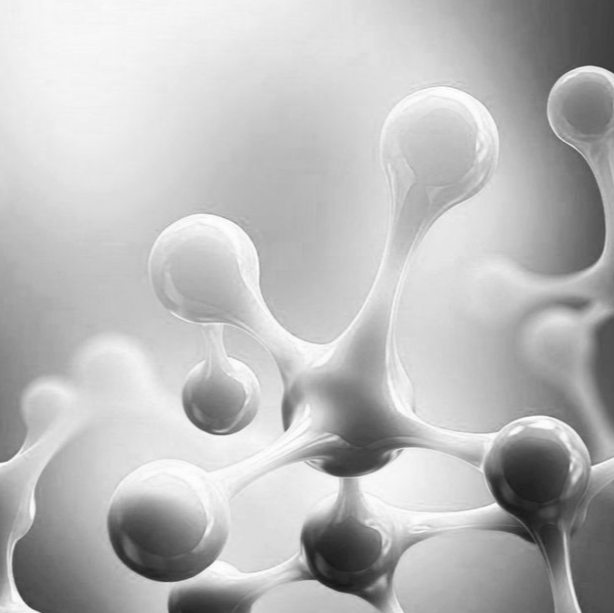
At the cellular level, molecular hydrogen influences cell signaling, metabolism, and gene expression.
Research suggests it has anti-inflammatory, antioxidant, and anti-apoptotic properties that may support overall cellular health and function.

Molecular hydrogen may support metabolic processes by helping cells convert nutrients into energy more efficiently.
Good cellular hydration also plays a key role in metabolic function, including energy production and nutrient utilization.
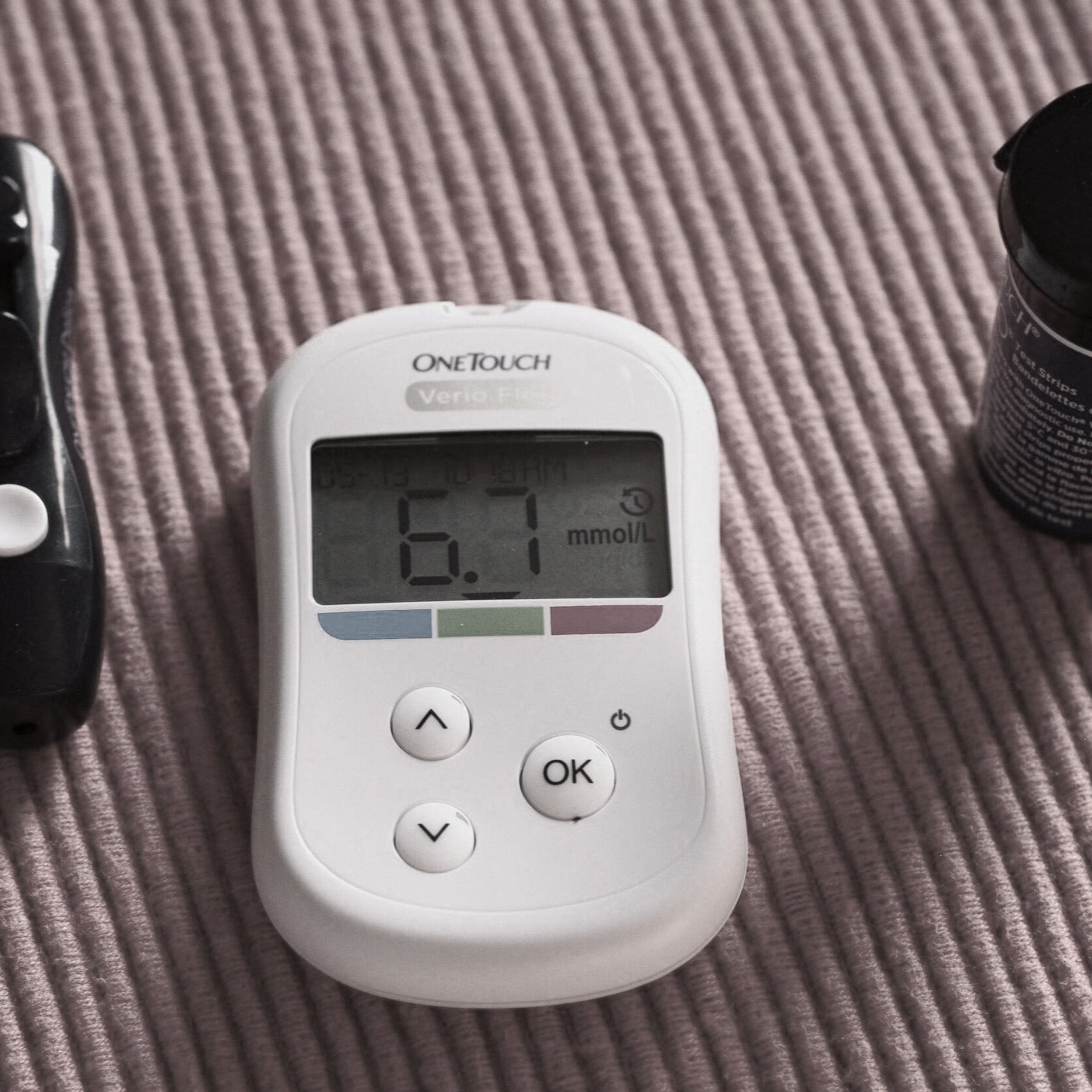
Molecular hydrogen has been researched for its potential effects on blood sugar regulation and metabolic health.
It may help support healthy glucose metabolism and reduce oxidative stress that can affect insulin sensitivity.

Oxidative stress can disrupt hormonal balance.
Molecular hydrogen may help reduce oxidative stress and support cellular environments that contribute to better hormonal regulation and overall endocrine health.